

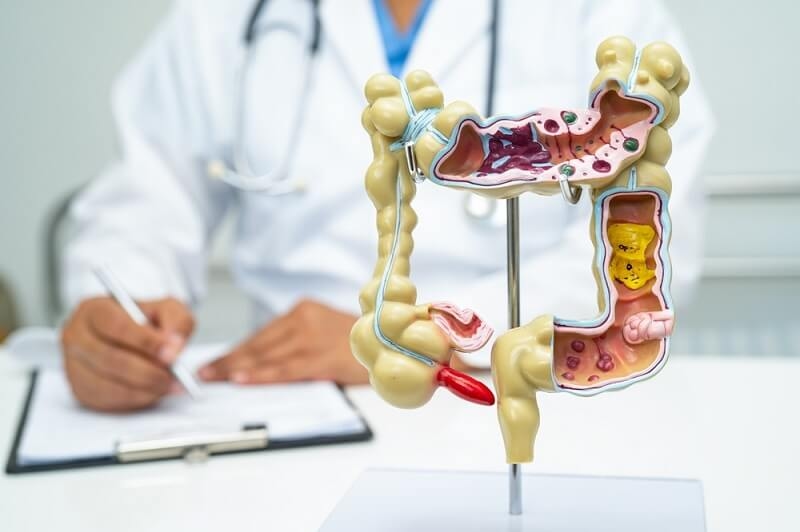
Gut health has turned into a hot topic lately, and honestly, it makes sense. It’s way more than just helping you digest food—it plays a big part in your energy, immune system, mood, and even how well you sleep.
Most people don’t spend much time thinking about their gut until something feels off. Maybe you’re getting bloated after meals, feeling tired for no reason, or craving random snacks. These are your body’s quiet ways of letting you know your gut needs some attention.
Here’s the cool thing: you don’t need wild diets or endless routines to fix it. Sometimes, a few simple changes can make a world of difference. Let’s get into it.
First, let’s clear up what “gut health” really means. It isn’t just about avoiding stomach aches. It’s about keeping everything in balance.
Your gut is packed with trillions of bacteria—some good, some not so good. When the balance tips in favor of the good guys, everything works smoothly. When it doesn’t, things can get out of whack.
A healthy gut isn’t just breaking down your food. It helps absorb nutrients, keeps your immune system strong, and even helps regulate your mood with that gut-brain connection people love to talk about. It surprises people—mental health and gut health are linked!
Sometimes, the signs hit you in the face. Other times, they sneak up on you.
Here’s what you might notice:
One of these alone might not raise eyebrows. But when a few team up, you probably have a gut issue.
Suggested Reading: Sunscreen Skincare Essential for Daily Skin Protection
Making your gut happier doesn’t mean turning your life upside down. It’s usually about small, steady habits. Here are seven proven gut-friendly changes you can actually stick to.
Let’s kick off with what matters most. Fiber feeds the good bacteria in your gut. If you’re skipping it, those good microbes just can’t do their job.
Add these:
Just ramp up gradually. Go too fast, and you’ll feel extra bloated. Let your body catch up.
Probiotics are live bacteria that help your gut’s ecosystem. They’re like backup for the good bacteria living inside you.
You’ll find them in:
Supplements work for some, but real food sources usually go the distance for gut health.
You’d be surprised how much hydration affects digestion. Water helps break food down and keeps things moving. Not enough, and everything can slow down.
Nothing fancy—just keep a water bottle handy and refill it throughout the day.
Let’s be real. Processed foods are everywhere and way too easy to grab. But they mess with gut balance, thanks to low fiber and all those additives, sugar, and unhealthy fats.
You don’t have to quit cold turkey, but trimming them back makes a difference.
Your gut and mind talk to each other more than most realize. When stress piles up, your stomach usually feels it.
You might get stomach aches, lose your appetite, or notice that your digestion gets sluggish. Little moves like regular walks, deep breaths, getting outside, or staying off screens before bed can help. Perfection isn’t the goal—a few calm moments are enough.
Sleep and gut health feed off each other. Bad sleep knocks your gut bacteria off balance, and a struggling gut makes it harder to sleep well. Set up a sleep routine—same bedtime, less scrolling at night—, and you're already helping things along.
You don’t need to crush a gym session every day. Simple movement keeps digestion on track. Walk after meals, stretch a bit, try cycling or yoga—what matters is you stick to it.
Don't Miss: Vitamin E Benefits for Skin, Hair, and Natural Glow
Now that you know the basics, let’s talk about making it last. A gut-friendly diet isn’t about strict rules—it’s about variety and balance.
Your gut loves diversity. Different foods nourish different bacteria. Aim for a mix: fruits, veggies, whole grains, fermented foods, nuts, and seeds. Don’t just eat the same thing every day.
Nutrition advice changes every week. Instead of stressing over rules, focus on mostly whole, unprocessed foods. It’s fine to enjoy treats now and then; what counts are your daily habits.
Sometimes, protecting your gut is about what you don’t do.
Sometimes you need antibiotics, but they knock out good bacteria along with the bad. Only take them when you actually need them.
If you always feel weird after eating certain foods, pay attention. A simple food diary can help you see patterns.
If you rush through meals, your body can’t digest as well. Slow down—your gut will thank you.
Also Read: Stress Relief Skincare Benefits for Healthy Glowing Skin
Getting your gut in shape isn’t some big mystery. Small, regular habits—extra fiber, more water, less stress, better sleep—make the biggest impact.
Your gut doesn’t care about occasional health kicks. It reacts to what you do every day. Start with one or two changes, stick with them, then add more as you go.
When your gut’s happy, you’ll notice better energy, improved mood, and easier digestion. And that’s really what most people are after.
Depends on your starting point. Some folks notice a boost after just a few days when drinking more water and eating fiber. Real change usually takes a few weeks of sticking to good habits.
Not always. Many people can support their gut through food alone. However, probiotics for gut health can be helpful during periods of imbalance, such as after antibiotics or digestive issues.
Processed foods, loads of sugar, and anything with artificial additives mess with gut balance. Cutting these back and focusing on real food makes a big difference for overall health and digestion.
Yes, it can. Stress impacts the gut-brain connection, which can disrupt digestion and cause discomfort. Managing stress through simple daily habits can support better digestive health over time.
This content was created by AI