

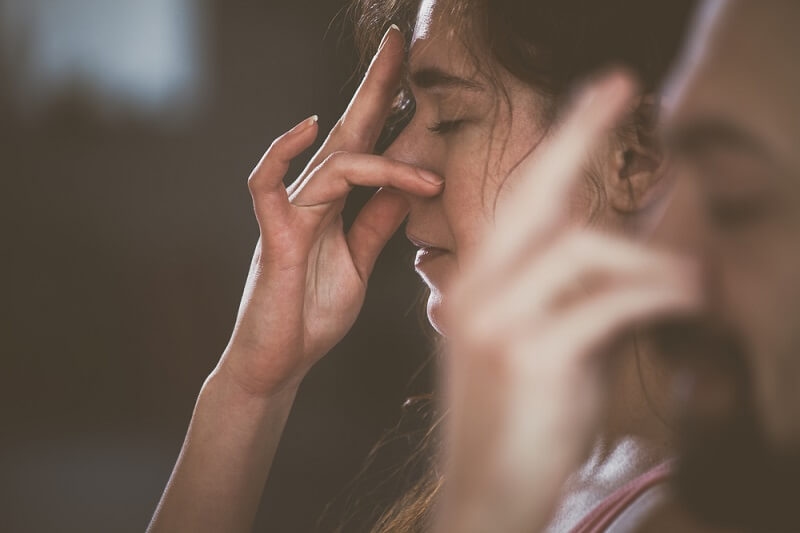
Sleep problems often start with a busy mind and a tight body. That is where 4-7-8 breathing steps in as a simple, gentle tool. This breathing method helps slow thoughts, relax muscles, and fall asleep fast without effort. Here’s the thing: many people want to know how to sleep faster, yet they often skip the most basic step—breathing right. Using breathing techniques for sleep, such as this one, trains the body to relax and rest. A sleep breathing exercise is most effective when performed calmly and without force.
4-7-8 breathing is a slow breathing pattern that focuses on counting and control. The numbers guide the breath and signal the nervous system to relax. What this really means is that the body shifts from an alert mode into a rest mode.
The pattern includes
This rhythm acts as relaxation breathing. The long exhale helps release tension and lowers the heart rate a bit. Over time, the body begins to associate this pattern with sleep and relaxation.
Also Read: Stress Relief Skincare Benefits for Healthy Glowing Skin
The main reason people struggle to fall asleep fast is mental noise. Thoughts jump around, and the body stays tense. 4-7-8 breathing slows both down in a natural way.
Benefits often noticed include
A sleep breathing exercise like this also helps break worry loops. Instead of thinking about the day, attention stays on counting. That makes it easier to rest.
Let’s break it down in a simple way. This method can be done in bed, on a chair, or even on the floor. Comfort matters more than posture.
Basic steps to follow
This counts as one round. Most people start with four rounds. Overdoing it can feel strange at first, so slow and steady is better.
There are many breathing techniques for sleep, yet not all are easy to remember. Some involve complex patterns or strong breath holds. 4-7-8 breathing stands out because it stays simple.
Compared to other methods
This sleep breathing exercise fits nicely into a nightly routine. No tools or apps are needed—just quiet time and attention.
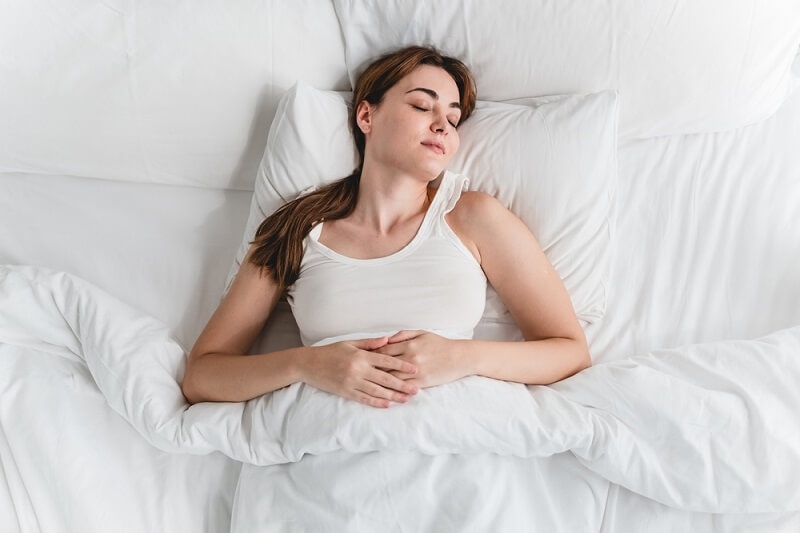
Relaxation breathing sends a safety signal to the brain. When breathing slows, muscles begin to loosen without effort. This helps prepare the body for rest.
Changes often felt include
Relaxation breathing techniques, such as the 4-7-8 breathing method, help balance oxygen and carbon dioxide levels. That balance supports calm feelings and facilitates a more restful sleep.
Timing matters with breathing techniques for sleep. Doing it right before bed works best, but it can also help during night awakenings.
Best times to practice include
Some people also use it during the day to reset stress. Still, using it at night helps teach the body how to sleep faster over time.
Even simple methods can be misused. The goal is calm, not effort or strain.
Mistakes to avoid include
A sleep breathing exercise should feel gentle and relaxing. If dizziness shows up, breathing is likely too deep. Keeping it soft helps avoid discomfort.
Some people feel relaxed after the first try. Others notice changes after several nights. What this really means is that patience matters.
Most benefits build when
Learning how to fall asleep faster takes practice, not pressure. 4-7-8 breathing works best when incorporated into a routine.
Breathing alone helps, but it works even better with supportive habits. These habits prepare the mind before bed.
Helpful habits include
Relaxation breathing fits naturally into these steps. Together, they help the body fall asleep fast with less struggle.
Most adults can use this method safely. It does not require strong lung power or special training. Children can also learn it with guidance.
People with breathing conditions should go slowly. Shorter breath holds can be used. Comfort should always be the top priority when practicing breathing techniques for sleep.
Related Article: Sleep Beauty Impact and Science Behind Nighttime Skin Repair
The quest to learn how to sleep faster ultimately returns to basics. Your body knows how to sleep; it just sometimes needs the proper signal. The 4-7-8 breathing exercise is that clear, gentle signal. It costs nothing, has no side effects, and gets easier with practice.
By focusing on this simple rhythm of inhale, hold, and exhale, you guide your entire system toward a state of quiet. Make it your nightly habit, be patient with the process, and let your breath become the most reliable part of your journey to dreamland. Sweet dreams are often just a few breaths away.
It varies. Some feel drowsy after just two or three cycles. For others, it might take several minutes of consistent practice. The key is not to get frustrated. The act of doing it is relaxing in itself, even if sleep doesn't come instantly at first.
Absolutely. If holding for seven seconds is too long at first, adjust the counts, but keep the ratio. Try 3-5.5-6, for example. The critical part is the extended, soothing exhale. It’s a tool to manage anxiety, not add to it.
While more research is always helpful, paced breathing like 4-7-8 is supported by solid science on the nervous system. Studies show controlled breathing can lower cortisol (the stress hormone) and improve heart rate variability, a key marker of relaxation.
Yes, this is a fantastic relaxation breathing method for any stressful moment—before a big meeting, after an argument, or during a moment of overwhelm. It’s a portable calm switch.
This content was created by AI